What Airlines Can Teach Us About Industry-Leading CX
The industry-leading CX of top airlines was directly linked to positive interactions with frontline employees.

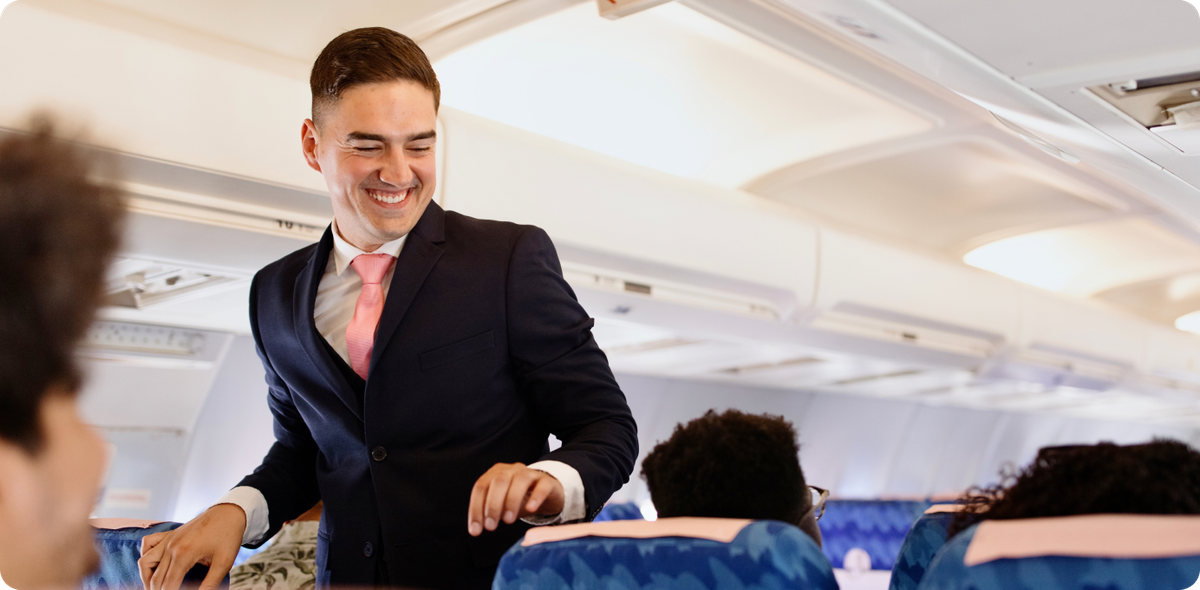
Frontline Staff Make Or Break The Customer Experience
The 2025 J.D. Power Airline Satisfaction Study found something striking: customer satisfaction in economy class is rising.
The reason for industry-leading CX? It wasn’t cheaper tickets or faster flights. The 9-point jump in customer satisfaction was directly linked to positive interactions with frontline employees.
“People skills is a common denominator among these three airlines,” said Michael Taylor, senior Managing Director at J.D. Power. “One of the bigger swing factors post pandemic has been people skills at these airlines.”
The airlines that topped the rankings – Southwest, JetBlue, and Delta – didn't get there by accident. Southwest hires for attitude and encourages staff to let their personalities show. Meanwhile, JetBlue and Delta have invested tens of millions in training their teams to be interactive, friendly, and responsive.
In short: the human experience still matters most, even at 30,000 feet.
It's Not The Perks. It's The People.
According to J.D. Power, using a customer’s first name adds almost as much to satisfaction as handing out a free alcoholic drink. Small, personal gestures scale trust quickly — especially in high-volume, high-pressure service environments.
As Jan Carlzon, former CEO of SAS Airlines, once wrote, "SAS is 'created' 50 million times a year, 15 seconds at a time." Each micro-interaction with frontline employees shapes how customers perceive your brand.
This insight is validating for operational leaders who have walked in frontline shoes. Your teams don’t need scripts or gimmicks to create loyalty. They need the confidence and support to show up as real people delivering real care.
Technology Supports, It Doesn't Replace, The Human Touch
Delta equipped its flight attendants with handheld devices to personalize passenger interactions with data, including names, histories, preferences, and past complaints. But the magic isn't in the device. It's all about how it's used.
"I have learned an enormous amount from our frontline employees about the day-to-day work that keeps Delta going around the clock. That feedback has been a valuable tool," shared Ed Bastian, CEO of Delta Air Lines.
Technology can elevate service, but only if your frontline teams are confident and comfortable using it. That means investing in training not just on tools, but on judgment, tone, and timing. In an AI-everywhere environment, emotional intelligence and digital fluency are the new frontline power skills.
From Listening Tours To Loyalty: A Lesson From United's CEO
Oscar Munoz, former CEO of United Airlines, turned to the frontline for answers when he stepped into the role. A flight attendant’s candid feedback helped him diagnose and address key customer pain points.
"Airlines are a completely decentralized workforce," Munoz explained. "Your interaction with a gate agent, or with a flight attendant, that’s mostly what you’ll remember from your flight. The leadership approach from my perspective was, how do you capture the hearts and minds of thousands of employees who are so distributed."
Munoz highlighted a reality every operations leader knows: your CSAT scores live or die in the smallest moments. When leaders take time to understand frontline realities, remove friction, and invest in team member growth, it sends a powerful signal: your voices shape how we serve. That investment turns into better customer experiences and stronger outcomes across the board.
What Ops Leaders Can Do Now To Get Industry-Leading CX
The best service stories don’t start in strategy decks. They begin with leaders who listen, empower, and invest in the people customers meet first. When frontline teams feel seen and supported, they show up with pride, and that’s what customers remember.
Here’s what you can do to help your frontline team take your CX and CSAT to the next level:
- Build the skills that power personalization — like empathy, active listening, and clear communication.
- Give team leads the coaching to practice, model, and reinforce trust-building behaviors.
- Use AI-powered simulations and clear career pathways to boost confidence, consistency, and retention across your frontline.
Pathstream helps operations leaders do all of the above without adding lift. Let’s make it easier for teams to thrive. And for your CSAT to rise.
Support Your Frontline To Deliver Standout CX
The right skills, tools, and growth paths can transform how your teams show up — and how your customers feel. Pathstream helps you build those systems without adding lift.
Find out how operations leaders are improving satisfaction, performance, and retention by investing in the people who power every moment. Talk with our team today.